
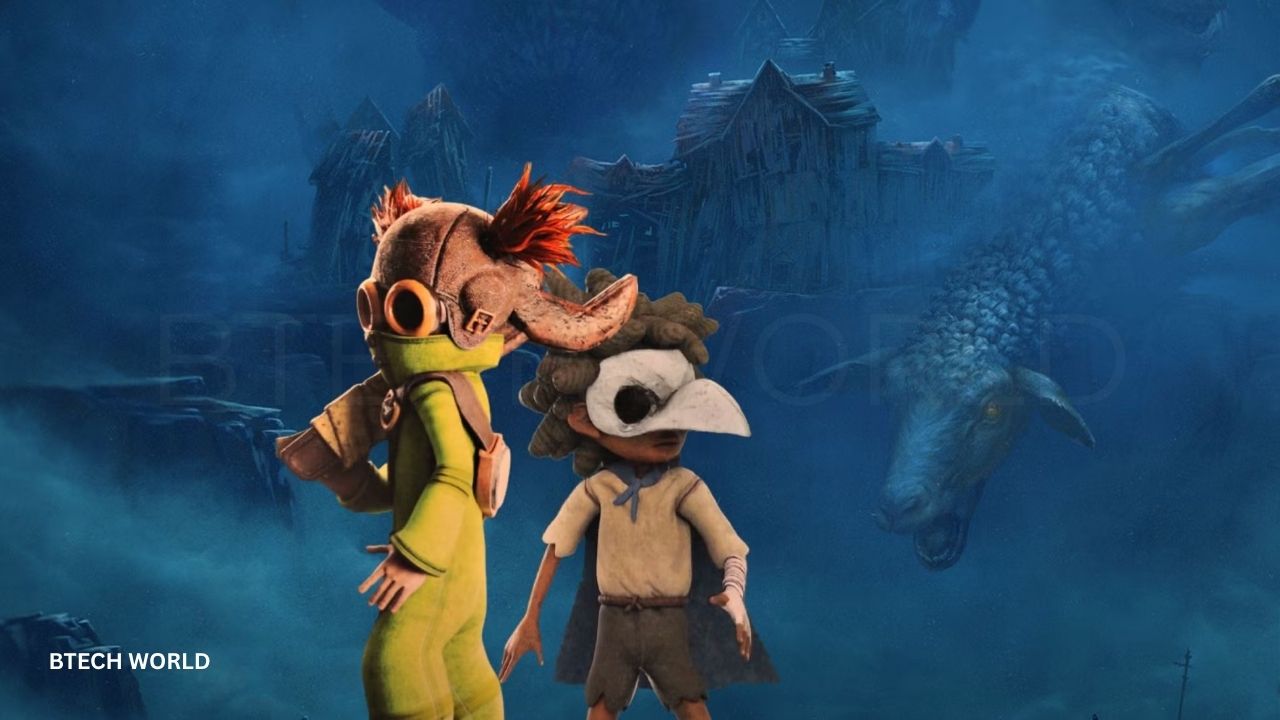
Reanimal Game: Gameplay, Story, Features, and Everything You Need to Know

Reanimal Game is a dark horror adventure from Tarsier Studios, the team behind Little Nightmares and Little Nightmares II. The game combines psychological horror, exploration, environmental puzzles, stealth, and cooperative gameplay into a disturbing journey across a mysterious island. It follows a brother and sister who must search for their missing friends while facing creatures connected to the island’s dark history.
Released on February 13, 2026, Reanimal is available on PC, PlayStation 5, Xbox Series X|S, and Nintendo Switch 2. It can be played alone or with another player through local and online co-op. Tarsier uses a shared camera to keep both characters together, making cooperation an important part of exploration and survival.
What Is Reanimal?
Reanimal is a third-person horror adventure designed around atmosphere rather than traditional action. Players control two orphaned siblings as they move through an island filled with abandoned locations, strange creatures, hidden paths, and disturbing memories.
The game takes inspiration from Tarsier’s earlier work, but it is not officially a Little Nightmares title. Instead, it builds on the studio’s experience with surreal environments, vulnerable child protagonists, environmental storytelling, and unsettling creature designs. The result is a standalone horror experience with its own characters and setting.
Reanimal Story and Setting
The story begins with a brother and sister trying to rescue three missing friends. Their search takes them across an island that was once familiar but has become a frightening place filled with danger. The siblings must travel across land and water while trying to understand what happened to their friends and what transformed the island.
Tarsier uses a fragmented storytelling style instead of explaining everything directly. Players discover clues through locations, objects, creatures, environmental details, and story moments. This approach leaves room for interpretation and encourages players to connect different pieces of information themselves.
A Horror World Built Around Fear
The atmosphere is one of the most important parts of Reanimal. The game frequently places the characters in environments that feel abandoned, isolated, and unsafe. Even when nothing is attacking, the sound design and visual details can make an area feel threatening.
The art direction combines muted environments with disturbing creatures and carefully placed visual cues. Red is sometimes used to draw attention to danger or guide players through an area. Instead of relying constantly on jump scares, the game often creates tension by making players wonder what might be waiting around the next corner.
Reanimal Gameplay Explained
The gameplay mixes exploration, puzzle-solving, stealth, traversal, and occasional combat. Players spend much of their time moving through environments, looking for routes forward, interacting with objects, and avoiding dangerous creatures.
The game is not designed around powerful weapons or aggressive combat. Survival often depends on observing the environment and deciding when to hide, move, run, or cooperate. This keeps the protagonists vulnerable and supports the horror atmosphere.
Co-Op Gameplay Is a Major Feature
One of the biggest differences between Reanimal and Tarsier’s earlier games is its focus on two-player cooperation. The entire adventure can be played with another person through local or online co-op, while solo players can experience the game with an AI companion.
The shared camera makes cooperation more than an optional feature. Both players need to remain aware of each other’s position because the camera frames the characters together. This can make narrow areas and monster encounters especially tense. Communication becomes important when solving puzzles, choosing routes, or escaping threats.
Exploration Across Land and Water
The world of Reanimal is not limited to traditional corridors. Players explore mysterious locations both on foot and by boat. These different forms of movement help create variety while also making the island feel larger and more interconnected.
Hidden routes and optional areas give exploration another purpose. Players can discover collectibles and environmental details by looking beyond the obvious path. Review coverage has highlighted the game’s willingness to reward curiosity with secret passages and additional pieces of its world.
Puzzles and Environmental Challenges
Puzzle-solving plays an important role in progression. Many challenges require players to understand their surroundings and cooperate to move objects, activate mechanisms, or reach inaccessible areas.
The puzzles are generally integrated into the environments rather than presented as separate challenges. This helps maintain the game’s atmosphere because players remain inside the horror world while solving problems. However, some reviewers have criticized the puzzles for being relatively easy, with several solutions becoming apparent quickly.
Monsters and Creature Design
Creature design is one of the strongest parts of Reanimal. Tarsier creates monsters that feel strange, grotesque, and closely connected to the game’s themes. The creatures are not simply enemies placed into levels; their appearance often contributes to the larger mystery.
The studio has described the monsters and child characters as being influenced by fragments of the children’s troubled past. This connection between character history and visual design helps make the creatures feel like part of the world rather than random horror obstacles.
Stealth, Escape, and Survival
Players cannot approach Reanimal like a traditional action game. The protagonists are vulnerable, so avoiding danger often makes more sense than confronting it directly. Stealth sections require players to pay attention to enemy behavior and the environment.
Later sections also introduce tools that give players more control. Review coverage notes the inclusion of weapons such as a knife and crowbar, which can help deal with certain threats and open previously inaccessible routes. These additions provide some variety without changing the game’s survival-focused identity.
Camera Design and Co-Op Tension
The shared camera is an important design choice. Rather than giving each player complete freedom to explore independently, Reanimal keeps the siblings within a common visual space.
This creates natural tension. Players need to coordinate their movement instead of simply running in separate directions. The camera can also change perspective, moving between wider views and closer third-person angles. Tarsier uses these shifts to support exploration, puzzles, and dramatic encounters.
Visual Style and Sound Design
The visual presentation uses darkness, unusual architecture, unsettling creatures, and carefully controlled lighting to create a distinctive horror atmosphere. The world often feels empty without ever becoming visually boring.
Sound is equally important. Quiet environmental noises, footsteps, breathing, dripping water, and distant movement can create tension before players even see an enemy. GameSpot’s review specifically praised the combination of sound and visual design for maintaining a persistent feeling that something could be nearby.
Reanimal Length and Replay Value
Reanimal is a relatively compact horror adventure. GameSpot’s review playthrough lasted around six hours, while other published coverage places the experience in a similar short-to-medium range.
The shorter campaign can work in its favor because the game maintains a focused pace. Players who enjoy searching for collectibles, hidden paths, and environmental clues can spend additional time exploring. Co-op also provides another way to experience the adventure because communication and teamwork can change how players approach certain encounters.
Reanimal on PC and Consoles
The game launched simultaneously on PC, PlayStation 5, Xbox Series X|S, and Nintendo Switch 2. On PC, the Steam version supports single-player, online co-op, shared or split-screen co-op, and Steam Deck compatibility.
The PC version requires Windows 10 or 11, 8GB of RAM, and at least a GTX 1060 or Radeon RX 480 for the listed minimum graphics requirement. The game also requires approximately 18GB of available storage.
Patch 1.7 and Current Improvements
Tarsier and THQ Nordic continued supporting Reanimal after launch. Patch 1.7 arrived on April 16, 2026, adding several technical and platform improvements.
The update added ultrawide support on PC and HDR support on PC, PlayStation 5, and Xbox Series X|S. It also made the game fully verified on Steam Deck and introduced improvements for crashes, audio, and connectivity. Nintendo Switch 2 players received Single Joy-Con support for local co-op.
The Prisoner DLC
The Reanimal story has also expanded through downloadable content. The Prisoner is the first of three planned DLC chapters and introduces two new characters, the Soldier and the Prisoner.
The expansion takes players through war-ravaged streets and previously unseen areas connected to the world of Reanimal. It continues the game’s focus on disturbing environments and narrative mystery while expanding the story beyond the original campaign. The official game site lists The Prisoner as available now.
Reanimal Reviews and Reception
Critical reception has generally been favorable. Steam currently lists the game with a Very Positive English-language user rating, while Metacritic lists an 80 critic score on the Steam listing. These figures can change as additional reviews and user ratings are added.
Published reviews frequently praise the game’s atmosphere, creature design, visual direction, and cooperative structure. Some criticism focuses on the relatively easy puzzles, short campaign, and intentionally incomplete or interpretive storytelling.
What Makes Reanimal Different?
The biggest distinction is how Reanimal combines horror with cooperation. Playing alongside another person does not remove the fear. Instead, the shared camera and coordinated movement can make certain situations more stressful because both players must survive together.
The game’s visual storytelling is another major feature. Rather than explaining every mystery through long conversations, Tarsier encourages players to examine the environment and interpret what they see. This gives the adventure a dreamlike quality while leaving some questions deliberately unanswered.
Is Reanimal Worth Playing?
Reanimal is particularly suited to players who enjoy atmospheric horror, environmental puzzles, exploration, and cooperative adventures. Fans of Tarsier’s previous games will also find familiar design ideas, but the new game introduces a stronger emphasis on two-player teamwork.
The short campaign and relatively simple puzzles may not satisfy players looking for a long, complex horror experience. However, the focused structure, disturbing world, creature design, and cooperative mechanics give Reanimal a clear identity. The game’s current patches and additional DLC also provide more content beyond its original campaign.
Final Thoughts
Reanimal shows how Tarsier Studios can build on the ideas that made Little Nightmares memorable while creating a separate horror world. The game combines unsettling environments, mysterious storytelling, environmental puzzles, stealth, exploration, and cooperative survival into a compact adventure.
Its greatest strength is atmosphere. The island feels dangerous even during quiet moments, while the shared camera turns cooperation into an important part of survival. Some puzzles could have been more challenging, and the deliberately mysterious story may leave players wanting clearer answers. Still, Reanimal delivers a distinctive horror experience for players who enjoy dark worlds, strange creatures, and games that reward teamwork.
FAQs
What is Reanimal?
Reanimal is a horror adventure game developed by Tarsier Studios and published by THQ Nordic and Amplifier Studios. It follows two orphaned siblings searching for their missing friends on a terrifying island.
When did Reanimal release?
Reanimal released on February 13, 2026, for PC, PlayStation 5, Xbox Series X|S, and Nintendo Switch 2.
Can you play Reanimal in co-op?
Yes. The game supports single-player as well as local and online two-player co-op. A shared camera keeps both players connected during the adventure.
Is Reanimal related to Little Nightmares?
Reanimal is not a Little Nightmares game, but it was created by Tarsier Studios, the original developer behind Little Nightmares and Little Nightmares II. It shares several atmospheric and gameplay ideas with those games.
Is Reanimal available on Steam Deck?
Yes. Following Patch 1.7, Reanimal became fully verified on Steam Deck. The update also added other technical improvements and features.
Explore More: BTECH WORLD