
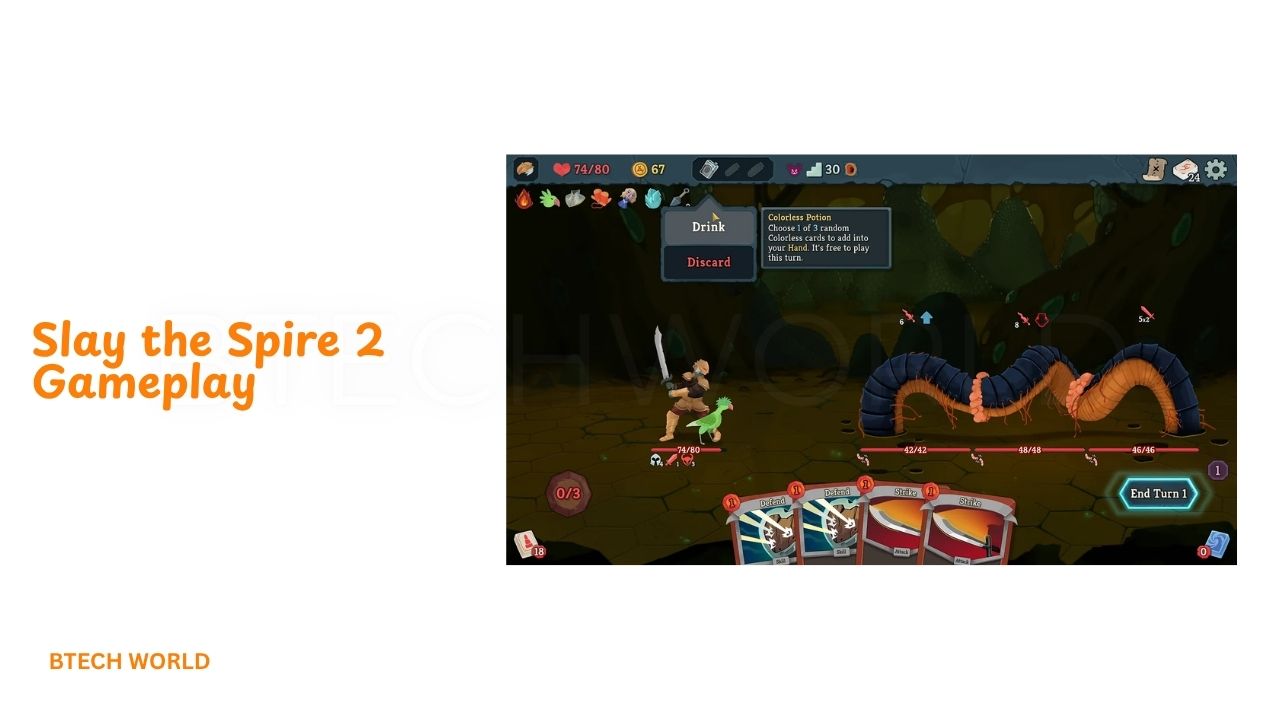
Slay the Spire 2 Gameplay: Features, Strategies, and What to Expect

Slay the Spire 2 Gameplay builds on the strategic deckbuilding and roguelike adventure that made the original Slay the Spire popular among players. Developed by Mega Crit, the sequel returns to a world where every battle demands careful planning, every card choice can influence a run, and every decision carries potential consequences. Players must build powerful decks, manage limited resources, and overcome increasingly dangerous enemies while climbing a mysterious tower.
The game combines turn-based combat with procedural progression, encouraging players to adapt their strategies rather than rely on one fixed approach. Each run offers opportunities to discover cards, collect relics, and experiment with different combinations. Even a promising run can end quickly if a player makes the wrong decision or underestimates an opponent.
For returning fans, the sequel offers a familiar foundation with new possibilities to explore. New players can also approach it as a tactical adventure where understanding card interactions and learning from mistakes are essential. This guide explores the gameplay, combat mechanics, characters, strategies, and key features that shape the Slay the Spire 2 experience.
What Is Slay the Spire 2?
Slay the Spire 2 is the sequel to the original deckbuilding roguelike. It brings players back to the Spire, a dangerous structure filled with enemies, branching paths, valuable rewards, and challenging encounters.
The central objective remains straightforward: build a deck capable of surviving a series of increasingly difficult battles. However, reaching the end requires more than collecting powerful cards. Players must decide which rewards deserve attention, when to recover, and whether a risky encounter is worth the potential benefits.
The game’s roguelike structure means that each attempt can unfold differently. Card rewards, relics, enemy encounters, and route choices create changing situations that require flexible thinking. A strategy that works well in one run may prove ineffective in another.
Mega Crit builds on the original game’s established formula while introducing additional content and gameplay possibilities. The result is designed to reward experimentation, thoughtful decision-making, and a willingness to learn from defeat.
How Slay the Spire 2 Gameplay Works
The gameplay follows a cycle of exploration, combat, deck improvement, and risk management. Players travel through a branching map, choose their next destination, and prepare for encounters that can reward them with useful cards, relics, gold, or other resources.
Turn-Based Card Combat
Combat takes place through a card-based system. Players draw cards, spend energy to play them, and decide how to use their available actions. Attack cards deal damage, defensive cards help prevent incoming attacks, and other cards provide effects that support particular strategies.
Enemies usually reveal their intentions, giving players valuable information before they end their turn. An enemy preparing a powerful attack may require a defensive response, while a weaker action might create an opportunity to deal extra damage.
This system rewards players who consider both immediate threats and future turns. Using every available resource to attack can be tempting, but preserving health may be more important when facing a dangerous enemy.
Deckbuilding and Card Selection
Deckbuilding is one of the most important parts of Slay the Spire 2. Players begin with a basic collection of cards and gradually improve their decks through battles, rewards, shops, and other encounters.
Adding stronger cards can increase a deck’s potential, but collecting every attractive option is rarely the best approach. Too many unrelated cards can make it harder to draw the combinations needed at critical moments.
A focused deck usually has a clearer purpose. Players might prioritize repeated attacks, defensive consistency, status effects, or combinations that generate powerful turns. The best approach depends on the character, available rewards, and challenges encountered during a run.
Relics and Other Rewards
Relics provide special effects that can influence a run in significant ways. Some improve combat performance, while others reward particular actions or change how certain strategies work.
Their value depends on the deck and the situation. A relic that strengthens a particular card interaction may be extremely useful for one build but less valuable for another.
Potions and other resources also help players respond to difficult encounters. Saving a useful item for a dangerous boss can be more effective than spending it immediately, although using resources early can sometimes prevent even greater losses later.
Main Characters in Slay the Spire 2
Slay the Spire 2 features five playable characters in its Early Access version. Each has a distinct identity, card pool, and approach to combat, giving players several ways to experience the game.
Ironclad
The Ironclad is a returning character known for direct combat and powerful attacks. Players can explore strategies built around damage, defense, and card interactions that help him withstand dangerous encounters.
The Silent
The Silent specializes in tactical approaches that can involve repeated attacks, poison effects, and carefully managed card combinations. Her gameplay rewards planning and understanding how smaller effects build toward larger advantages.
The Defect
The Defect returns with mechanics that encourage players to explore different combat effects and resource combinations. Building around compatible cards can create powerful turns, but effective results require thoughtful setup.
Necrobinder
Necrobinder is a new character who brings a different style to the roster. Her gameplay includes interactions with Osty, her skeletal companion, creating additional tactical possibilities for players to learn.
Regent
The Regent is another new character with distinctive mechanics and a separate collection of cards. Learning how to use the Regent’s resources effectively opens up strategies that differ from those of the returning characters.
Trying different characters is one of the best ways to discover the game’s strategic depth. Players who struggle with one playstyle may find another more comfortable, while experienced players can explore the unique challenges each character presents.

New Features That Make Slay the Spire 2 Different
The sequel preserves the original’s core identity while introducing features that expand how players can approach a run.
Four-Player Cooperative Mode
One of the biggest additions is cooperative play for up to four players. Instead of climbing the Spire alone, friends can work together to face enemies and progress through the adventure.
Co-op introduces opportunities for coordination and team strategy. Players can discuss threats, consider their available cards, and explore combinations that support the group. Multiplayer-specific cards and team synergies also create possibilities that differ from solo play.
However, cooperation still requires careful decisions. Players must consider the challenges ahead and communicate when their actions can support one another. The shared adventure adds a social dimension without removing the game’s emphasis on strategic planning.
New Environments and Enemies
The Spire contains new environments, unfamiliar enemies, and additional encounters. These changes help keep exploration fresh, particularly for players who already understand the original game.
Different opponents may require different responses. Some encounters reward aggressive play, while others punish careless attacks or demand stronger defenses. Learning enemy behavior helps players make better decisions as the difficulty increases.
Expanded Story and Lore
The sequel also offers new ways to discover information about the Spire and its inhabitants. Events, characters, and encounters can reveal pieces of the setting’s history.
These discoveries add context to repeated runs. Even when a climb ends in defeat, players may uncover new details or learn something about the world that encourages another attempt.
Best Strategies for Slay the Spire 2 Beginners
New players may initially find the game’s many choices overwhelming. A few fundamental habits can make the learning process easier and improve the chances of completing a successful run.
Build a Consistent Deck
Avoid selecting cards simply because they appear powerful. Instead, consider how each new addition supports your existing strategy. Cards that work together often provide more value than several individually strong cards that do not complement one another.
Also, think carefully before adding expensive cards that may be difficult to play alongside your other options. A balanced deck should give you useful choices across different combat situations.
Pay Attention to Enemy Intentions
Enemy intentions provide clues about upcoming actions. Use this information to decide whether to attack, defend, or prepare for a later turn.
If an opponent is preparing significant damage, blocking may preserve enough health to survive future encounters. If the enemy’s next move is less threatening, you may have an opportunity to deal damage or strengthen your position.
Choose Your Route Carefully
The map presents different paths with different rewards and risks. Some routes contain more combat encounters, while others offer opportunities to rest, shop, or experience special events.
Your current condition should influence your decisions. A character with low health may benefit from a recovery opportunity, while a strong deck may be ready to take on additional fights for rewards.
There is no universally perfect route. The goal is to choose a path that supports your current strategy and leaves you prepared for the challenges ahead.
Learn From Every Failed Run
Defeat is a normal part of roguelike gameplay. Instead of treating a failed run as wasted time, examine what caused the problem.
Perhaps the deck lacked defensive options, a difficult fight consumed too much health, or a valuable resource was used too early. Recognizing these patterns can improve future decisions.
Over time, players develop a better understanding of card combinations, enemy behavior, and resource management. That knowledge makes each new attempt more meaningful.
Is Slay the Spire 2 Worth Playing?
Slay the Spire 2 is especially appealing to players who enjoy strategy, experimentation, and games that reward repeated attempts. Its combination of card-based combat, procedural encounters, character variety, and branching routes creates substantial replay potential.
The cooperative mode also makes the sequel attractive to players who want to share the challenge with friends. Working together adds another layer of decision-making while preserving the strategic nature of the original formula.
However, players looking for a fast-paced action game may find the deliberate turn-based combat too slow. The game also requires patience because understanding its systems and developing effective strategies takes time.
It is important to remember that Slay the Spire 2 entered Early Access on March 5, 2026. Its content, balance, and features can continue to change during development. Players should therefore expect an evolving experience rather than assume that every part of the final game is already complete.
Conclusion
Slay the Spire 2 Gameplay combines tactical card battles, flexible deckbuilding, challenging encounters, and roguelike progression. Returning characters provide familiar playstyles, while the Necrobinder and Regent introduce new approaches to combat. Cooperative play for up to four players further expands the experience.
Success depends on more than collecting powerful cards. Players must understand enemy intentions, manage resources, choose routes carefully, and build decks that work together. Each run provides opportunities to test strategies and learn from mistakes.
For fans of strategic roguelikes, Slay the Spire 2 offers an engaging mix of familiar mechanics and new possibilities. Its Early Access development also means that the experience can evolve as Mega Crit continues refining the game.
Frequently Asked Questions (FAQs)
Q1. What type of game is Slay the Spire 2?
Slay the Spire 2 is a roguelike deckbuilding game featuring turn-based combat, card collection, branching routes, and procedural encounters. Players build decks and develop strategies while climbing the Spire.
Q2. How many playable characters are in Slay the Spire 2?
The Early Access version features five playable characters: Ironclad, Silent, Defect, Necrobinder, and Regent. Each character has a distinct set of cards and gameplay mechanics.
Q3. Does Slay the Spire 2 have multiplayer?
Yes. Slay the Spire 2 introduces cooperative multiplayer for up to four players. Friends can work together, explore team synergies, and face the Spire’s challenges as a group.
Q4. Is Slay the Spire 2 difficult for beginners?
It can be challenging because success requires strategic thinking, careful resource management, and an understanding of card interactions. Beginners can improve by learning enemy intentions, building consistent decks, and reviewing mistakes after failed runs.
Q5. Is Slay the Spire 2 available in Early Access?
Yes. Slay the Spire 2 launched in Early Access on March 5, 2026, for Windows, macOS, and Linux through Steam. Its content and balance may continue to change as development progresses.
Explore More BTECH WORLD