
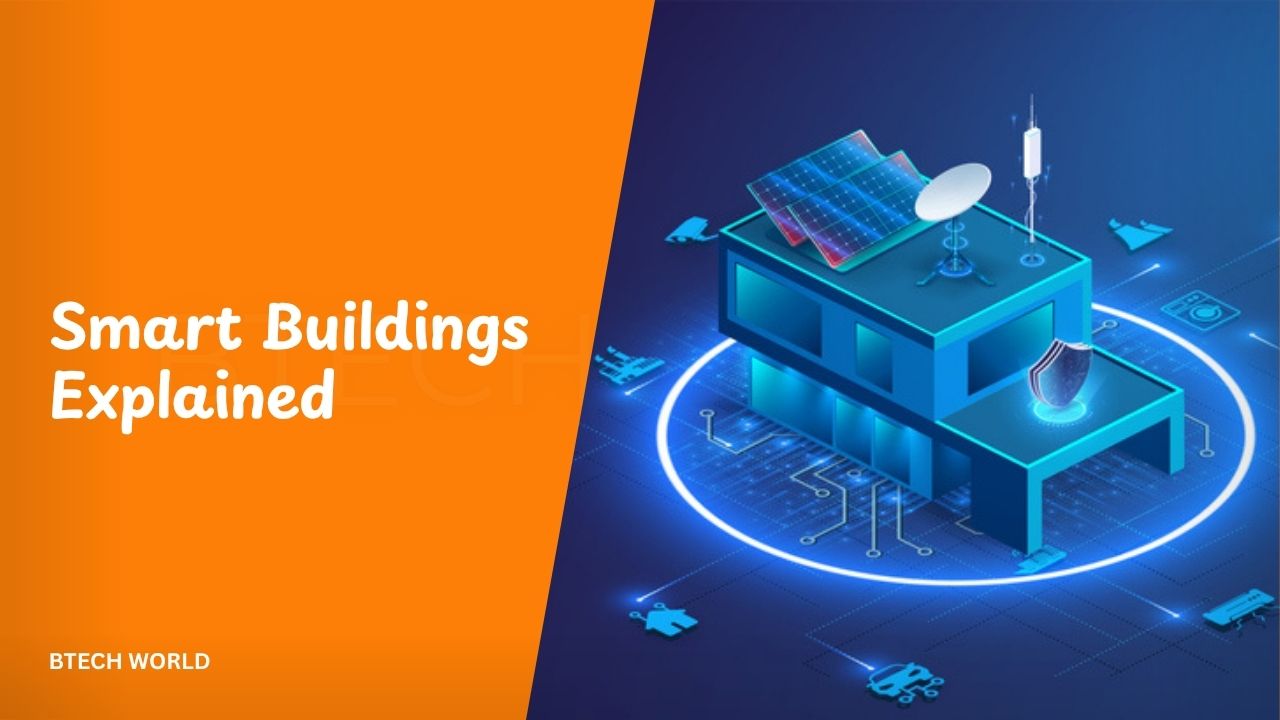
Smart Buildings Explained: How They Work, Benefits, and Key Technologies

Smart buildings are changing how people live, work, and manage modern spaces. By combining connected devices, automation, sensors, and intelligent software, these buildings can monitor their surroundings and adjust systems to meet changing needs. From office towers and hospitals to shopping centers and residential properties, smart building technology is helping improve comfort, efficiency, and security.
Traditional buildings often rely on separate systems for lighting, heating, cooling, and access control. Smart buildings connect these systems so they can share information and respond more effectively. For example, sensors can detect when a meeting room is empty and adjust its lighting or temperature to reduce unnecessary energy use.
As businesses and property owners look for ways to control operating costs and improve sustainability, smart buildings are becoming increasingly relevant. Understanding how they work, which technologies they use, and what challenges they present can help organizations decide whether smart building solutions are right for them.
What Are Smart Buildings?
Smart buildings are structures that use connected technologies to monitor, manage, and optimize building operations. They may include automated lighting, heating, ventilation and air conditioning (HVAC), security systems, occupancy sensors, and energy monitoring tools. These technologies collect information that helps building managers make informed decisions.
The main difference between a traditional building and a smart building is how its systems communicate and respond. In a conventional property, equipment may operate according to fixed schedules or manual controls. In a smart building, connected systems can use sensor data, programmed rules, and analytical software to adjust operations according to actual conditions.
However, a building does not need every available technology to qualify as smart. Some properties begin with automated lighting and energy monitoring, while others connect multiple systems through a centralized management platform. The most suitable setup depends on the building’s purpose, budget, infrastructure, and operational requirements.
How Do Smart Buildings Work?
Smart buildings work by collecting data, analyzing conditions, and using that information to control connected equipment. This process generally involves sensors, communication networks, building management software, and automated devices.
Sensors measure conditions such as temperature, humidity, occupancy, light levels, and air quality. Connected devices transmit this information to a building management system or another control platform. The software then applies predefined rules or analytical models to determine whether a system needs to change its operation.
For example, if sensors detect that an office area is empty, the building may reduce lighting and adjust cooling settings. When employees return, the system can restore comfortable conditions. Similarly, energy monitoring software can identify unusual consumption patterns that may indicate equipment problems or unnecessary usage.
Some systems operate automatically, while others send alerts and recommendations to building managers. More advanced installations may use artificial intelligence to analyze historical data and forecast future requirements. The goal is to make building operations more responsive without compromising safety, comfort, or reliability.
Key Technologies Used in Smart Buildings
1. Internet of Things (IoT) Sensors
The Internet of Things connects physical devices that collect and exchange data over a network. In smart buildings, IoT sensors can monitor occupancy, temperature, humidity, water leakage, indoor air quality, and equipment performance.
These sensors provide building managers with a clearer picture of what is happening throughout a property. Instead of relying entirely on manual inspections, staff can receive real-time information and identify issues more quickly.
For example, a water leak sensor can alert maintenance teams when moisture appears in an unexpected location. Occupancy sensors can help adjust lighting and ventilation according to room usage. The accuracy and usefulness of these systems depend on correct installation, calibration, and maintenance.
2. Building Management Systems
A building management system (BMS), also known as a building automation system in many contexts, helps monitor and control building equipment. Depending on its configuration, it can connect HVAC, lighting, energy meters, alarms, and other operational systems.
A centralized interface allows facility managers to review system status, change settings, and respond to alerts. This can simplify the management of large properties that contain numerous mechanical and electrical systems.
Integration is important because different devices may use different communication protocols. Before installing a new BMS, organizations should assess compatibility with existing equipment and consider whether the system can support future expansion.
3. Artificial Intelligence and Data Analytics
Artificial intelligence and data analytics can help smart buildings identify patterns in operational data. These technologies may support energy forecasting, fault detection, maintenance planning, and the adjustment of heating or cooling schedules.
For instance, an analytical system might detect that a piece of HVAC equipment is consuming more energy than usual. It can alert the maintenance team to investigate before the issue causes a larger disruption.
AI does not automatically guarantee better performance. Its effectiveness depends on reliable data, appropriate configuration, and ongoing evaluation. Building managers should also understand how automated recommendations are produced, particularly when those recommendations affect critical equipment or occupant safety.
4. Smart HVAC Systems
Heating, ventilation, and air conditioning systems often account for a significant share of a building’s energy use. Smart HVAC technology can adjust temperature, airflow, and operating schedules according to occupancy, weather conditions, and indoor environmental measurements.
Instead of cooling every area equally throughout the day, a connected system can respond to different requirements across the building. Meeting rooms, corridors, and occupied offices may need different settings at different times.
Proper ventilation and indoor air quality remain essential. Energy-saving settings should never undermine occupant health or required ventilation standards. Regular servicing and suitable temperature controls are also necessary to maintain performance.
5. Intelligent Lighting
Smart lighting systems use sensors, timers, networked controls, and sometimes daylight measurements to manage illumination. Lights can switch off when spaces are unoccupied, dim when natural daylight is sufficient, or follow schedules suited to the building’s activities.
These features can reduce unnecessary electricity consumption and make lighting more convenient to manage. In offices, they can also help create suitable lighting conditions for different tasks and areas.
The best results depend on appropriate sensor placement and thoughtful control settings. Poorly configured systems may switch lights off unexpectedly or fail to provide adequate illumination, so testing and user feedback should be part of implementation.
6. Smart Access Control and Security
Smart buildings can combine electronic access control, surveillance cameras, alarms, and connected entry systems. Depending on the installation, authorized users may enter with access cards, mobile credentials, or biometric verification.
Connected security tools can help facility teams monitor entry points, manage permissions, and review alerts. They may also support coordination between security staff and building management systems.
Security technology must be implemented carefully. Access permissions should follow clear policies, sensitive information should receive appropriate protection, and biometric data should be handled according to applicable laws. Connecting security devices to wider building networks also makes cybersecurity an important consideration.
Major Benefits of Smart Buildings
1. Improved Energy Efficiency
One of the main advantages of smart buildings is their ability to reduce unnecessary energy use. Automated lighting, occupancy-based controls, and responsive HVAC systems can help match consumption to actual demand.
Energy monitoring also helps managers identify equipment that operates outside expected patterns. By reviewing this information, organizations can investigate waste, adjust schedules, and prioritize improvements.
Actual savings vary according to the building’s age, climate, occupancy, equipment, and existing efficiency measures. Smart technology is most effective when combined with proper maintenance and a clear energy management strategy.
2. Lower Operating Costs
Smart buildings can help reduce operating expenses through better equipment control, energy monitoring, and maintenance planning. Automated alerts may identify faults earlier, allowing teams to address problems before they lead to costly downtime.
Centralized monitoring can also reduce the time staff spend checking separate systems. For property managers responsible for multiple floors or buildings, having a unified overview can make routine operations easier.
However, initial installation costs, software subscriptions, integration work, and ongoing support must be included in any financial assessment. A smart building project should be evaluated according to its total cost of ownership rather than energy savings alone.
3. Greater Comfort and Productivity
A comfortable indoor environment can make a meaningful difference to people who spend long periods inside buildings. Smart controls can help maintain suitable temperatures, lighting levels, and ventilation according to room conditions and occupancy.
In workplaces, these improvements may support concentration and reduce complaints about uncomfortable spaces. In hotels and residential buildings, connected controls can also make everyday environments easier to manage.
Occupant preferences should remain part of the design process. Automated settings that save energy but consistently make rooms uncomfortable may reduce user satisfaction. Building managers should provide appropriate manual controls and review feedback after installation.
4. Predictive Maintenance
Traditional maintenance often follows fixed schedules or begins after a problem becomes noticeable. Smart building systems can use equipment data to identify warning signs and help teams plan inspections more effectively.
For example, unusual vibration, temperature changes, or increased energy consumption may indicate that equipment requires attention. Early warnings can help maintenance teams investigate issues before they cause major failures.
Predictive maintenance depends on accurate sensors, suitable analytical tools, and staff who understand the alerts. Not every warning indicates a serious fault, so inspections and professional judgment remain important.
5. Better Space Management
Occupancy sensors and space-use analytics can show how different areas of a building are used. Organizations can use this information to understand peak demand, identify underused rooms, and plan facilities more effectively.
An office might discover that certain meeting rooms remain empty for much of the week while others are frequently overbooked. Managers can use these insights to improve room scheduling or reconsider how space is allocated.
Data collection should respect privacy. Organizations should define what information they need, avoid unnecessary personal tracking, and communicate clearly with occupants about monitoring practices.
Smart Buildings and Sustainability
Smart building technology can support sustainability by helping organizations use electricity, heating, cooling, and water more efficiently. Automated controls can reduce avoidable consumption, while monitoring systems can reveal where resources are being wasted.
Some buildings also integrate renewable energy systems, battery storage, and electric vehicle charging infrastructure. When these systems are connected to energy management software, operators can better understand energy production, consumption, and peak demand.
Smart technology alone does not make a building sustainable. Construction materials, insulation, water management, transportation access, equipment efficiency, and occupant behavior also influence environmental performance. A well-designed smart building combines digital controls with broader sustainability measures.
Challenges and Limitations of Smart Buildings
Despite their advantages, smart buildings present several challenges. Installation may require significant upfront investment, particularly in older properties with outdated electrical systems or incompatible equipment. Integrating devices from different manufacturers can also increase complexity and project costs.
Cybersecurity is another major concern. Connected building equipment may create additional entry points for unauthorized access if networks and devices are not properly secured. Organizations should use strong authentication, regular software updates, network segmentation, and clear access policies.
Data privacy requires similar attention. Occupancy tracking and connected security systems may collect information about how people use a building. Managers should limit collection to legitimate purposes and apply appropriate retention and access rules.
Finally, smart buildings require ongoing support. Sensors need maintenance, software may need updates, and employees must understand how to use the systems. Planning for these responsibilities from the beginning helps prevent a smart building project from becoming difficult or expensive to maintain.
Real-World Applications of Smart Buildings
Smart building technology serves different purposes depending on the environment. In offices, it can support lighting control, room scheduling, access management, and energy monitoring. Facility teams can use these functions to improve daily operations and understand how workspaces are used.
Hospitals can use connected monitoring to manage building services, track environmental conditions, and support maintenance. Reliability is particularly important in healthcare environments, where building systems may affect patient comfort and critical operations. Any automation must follow applicable safety and regulatory requirements.
Hotels can use connected room controls to manage lighting and temperature, while shopping centers can monitor energy use across large spaces. Residential buildings may offer smart thermostats, connected entry systems, leak detection, and shared energy monitoring.
Factories, laboratories, and educational campuses can also benefit from connected building management. In each case, the system should be designed around the site’s specific operational requirements rather than installing technology simply because it is available.
The Future of Smart Buildings
Smart buildings are likely to become more connected as sensors, automation platforms, and analytical software continue to develop. Greater interoperability may make it easier for equipment from different manufacturers to exchange information, although compatibility will remain an important purchasing consideration.
AI-assisted fault detection and energy optimization may also become more common. These systems can help operators identify unusual patterns, plan maintenance, and make better use of available resources. However, building managers will still need to verify results and maintain appropriate human oversight.
Another important direction is the integration of buildings with wider energy systems. Connected buildings may coordinate with renewable energy, battery storage, and demand-response programs to manage consumption during periods of high demand.
The most successful smart buildings will not necessarily be the ones with the most technology. They will be the ones that use reliable, secure, and maintainable systems to solve real problems for occupants and building operators.
How to Make a Building Smarter
Organizations do not need to modernize an entire building at once. A phased approach can help control costs and demonstrate value before a larger investment.
Start by identifying a clear problem, such as high energy bills, inconsistent room temperatures, frequent equipment failures, or inefficient space use. Review current building performance and establish a baseline so that future improvements can be measured.
Next, select technologies that address the identified problem. This could involve installing smart lighting, adding energy meters, upgrading HVAC controls, or introducing a building management platform. Check compatibility with existing equipment and consider how the system can expand later.
After installation, test the controls, train staff, and monitor results. Review energy consumption, maintenance reports, comfort feedback, and system reliability. Use the findings to improve settings and decide whether additional upgrades are justified.
Conclusion
Smart buildings combine sensors, connected equipment, automation, and data analysis to improve how buildings operate. Their technologies can support energy efficiency, lower operating costs, predictive maintenance, security, and occupant comfort when implemented correctly.
However, these benefits depend on thoughtful planning, reliable integration, cybersecurity, and ongoing maintenance. Businesses and property owners should assess their specific needs, budget, and long-term goals before investing.
As building technology develops, smart systems will play an increasingly important role in managing modern spaces. The strongest approach is to focus on practical improvements that make buildings more efficient, comfortable, secure, and sustainable.
Frequently Asked Questions
1. What is a smart building?
A smart building uses connected technologies, sensors, and automated controls to monitor and manage systems such as lighting, HVAC, security, and energy consumption.
2. What are the main benefits of smart buildings?
Key benefits include improved energy efficiency, potentially lower operating costs, better occupant comfort, more informed maintenance, and improved use of building space.
3. What technologies are used in smart buildings?
Common technologies include IoT sensors, building management systems, smart HVAC, automated lighting, access control, data analytics, and artificial intelligence.
4. Are smart buildings expensive to implement?
Costs vary according to building size, existing infrastructure, equipment, software, and installation requirements. A phased upgrade can help organizations spread costs and evaluate results.
5. Are smart buildings secure?
They can be secure when organizations use appropriate cybersecurity controls, software updates, network protection, and access policies. Connected systems still require regular monitoring and maintenance.
Explore More BTECH WORLD