PHP2Shell Explained: How Attackers Exploit PHP and How to Stay Safe

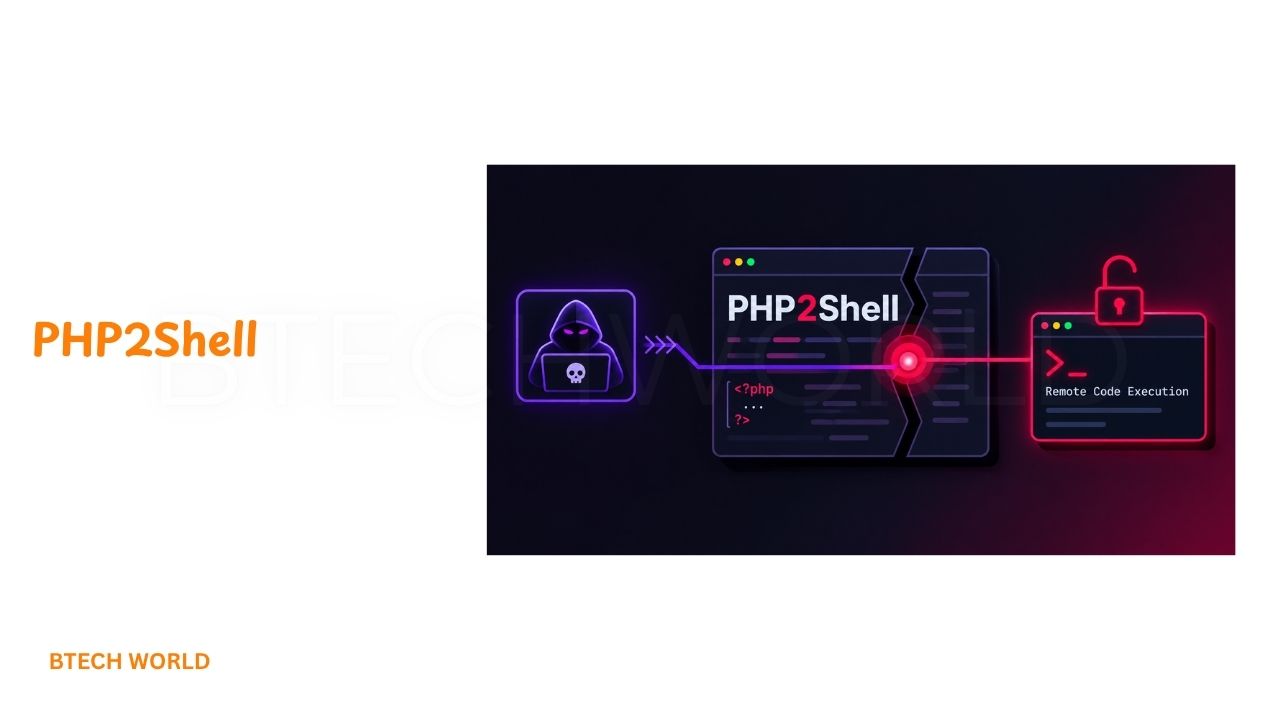
PHP2Shell is a term associated with security risks that allow attackers to turn weaknesses in PHP-based applications into opportunities for unauthorized command execution. When an application handles user input incorrectly, exposes a vulnerable component, or uses unsafe system functions, an attacker may find a way to execute commands on the underlying server. The exact risk depends on the vulnerability, the application configuration, and the permissions available to the affected process.
PHP remains a widely used programming language for websites, content management systems, online stores, and web applications. Its flexibility makes development easier, but insecure coding practices can introduce serious vulnerabilities. A weakness in a PHP application may expose sensitive information, disrupt services, or provide an entry point for a larger attack.
Understanding PHP2Shell helps developers, website owners, and security teams recognize potentially dangerous behavior and reduce their exposure. The key is to understand how command-execution vulnerabilities develop, how to recognize warning signs, and how to secure PHP environments before attackers can take advantage of them.
What Is PHP2Shell?
PHP2Shell describes a class of security concern in which a weakness involving PHP can potentially lead to shell command execution on a server. A shell is a command interpreter that allows a system to run operating-system commands. If an attacker can influence those commands through a vulnerable web application, the consequences may extend beyond the application itself.
The term does not necessarily identify one universal vulnerability or a single standardized exploit. Its meaning can depend on the security advisory, tool, research report, or incident in which it appears. Therefore, anyone investigating a specific PHP2Shell alert should confirm the affected product, software version, vulnerability identifier, and technical details rather than assuming every reference describes the same issue.
In general, command-execution vulnerabilities arise when software gives external input too much influence over sensitive operations. This may happen when developers pass untrusted data into system commands, use unsafe dynamic code execution, or rely on outdated components with known weaknesses.
A successful attack may allow unauthorized commands to run with the privileges of the vulnerable application. The impact can include unauthorized file access, changes to website content, exposure of configuration data, or further compromise if the server has excessive permissions.
How Attackers Exploit PHP Vulnerabilities
PHP2Shell-related risks typically involve a path from an exposed application feature to a sensitive server operation. Understanding the common patterns helps developers identify weak points without relying on exploit code.
Unsafe Command Execution
PHP provides functions that can interact with operating-system commands. These functions can be legitimate tools for specific administrative tasks, but they require careful handling.
A vulnerability may arise when an application inserts user-controlled data into a command without validating it or separating it safely from command syntax. If the operating system interprets part of that input as an additional instruction, the result may go beyond the developer’s intended operation.
Developers should avoid invoking shell commands when a safer PHP library or built-in function can perform the same task. When command execution is genuinely necessary, inputs must be constrained, arguments handled safely, and the process run with minimal privileges.
Insecure File Uploads
File-upload features can introduce another route to server compromise. An application may allow users to submit images, documents, or other files, but inadequate validation can let dangerous files reach locations where the server can execute them.
Checking only a filename extension is not sufficient. Attackers may manipulate file metadata, exploit processing libraries, or take advantage of incorrect server configuration.
Safer implementations validate file types, generate server-side filenames, restrict upload size, and store untrusted files outside executable web directories whenever possible. File permissions and web-server rules should also prevent uploaded content from running as code.
Vulnerable Dependencies and Plugins
PHP applications often rely on frameworks, packages, plugins, and third-party integrations. A vulnerability in one of these components can expose the application even when its own code appears secure.
Outdated dependencies may contain known flaws involving authentication, file handling, deserialization, or command execution. Attackers often look for internet-facing systems that continue running vulnerable versions after security updates become available.
Website owners should maintain an inventory of dependencies, monitor security advisories, and update affected components promptly. When an update cannot be installed immediately, administrators should assess the risk and apply appropriate temporary mitigations.
Improper Use of Dynamic Code Execution
Dynamic code execution allows an application to interpret or execute code generated at runtime. Although this approach can support legitimate programming tasks, it becomes dangerous when untrusted input influences what the application executes.
If an application treats user-submitted content as executable PHP code, an attacker may be able to alter the intended behavior. Similar risks can occur when applications deserialize untrusted data without adequate safeguards.
Developers should avoid evaluating user input as code and use safer alternatives, such as predefined operations and structured data formats. They should also review deserialization logic and ensure that external input cannot control sensitive application behavior.
Common Signs of a PHP2Shell-Related Attack
Detecting suspicious activity early can help reduce damage. Although individual symptoms do not prove a PHP2Shell exploit has occurred, several warning signs deserve investigation.
Unexpected Server Processes
A compromised application may start processes that do not match its normal workload. Administrators might notice unfamiliar child processes associated with PHP workers, unexpected command interpreters, or repeated processes consuming unusual amounts of system resources.
Security teams should compare these observations with the application’s expected behavior. Scheduled jobs, maintenance tasks, and legitimate administrative tools can also create unusual processes, so investigators should verify the source before drawing conclusions.
Unusual Network Connections
Unexpected outbound connections may indicate that an application is communicating with an unfamiliar external server. In some incidents, attackers use compromised systems to retrieve additional files, transfer stolen information, or communicate with remote infrastructure.
Reviewing outbound network traffic, firewall records, and server connection logs can help identify abnormal activity. Restricting unnecessary outbound connections also reduces the opportunities available to compromised applications.
Unexpected File Changes
Unauthorized changes to PHP files, configuration settings, website content, or executable directories may indicate a security incident. Attackers sometimes modify files to maintain access or alter the behavior of a compromised website.
File-integrity monitoring and regular backups can help administrators identify changes and restore legitimate content. However, restoring files alone does not address the original vulnerability or guarantee that an attacker has lost access.
Authentication and Access Anomalies
Unexpected administrator logins, unfamiliar sessions, unusual API requests, or repeated authentication failures can provide additional clues. These events may reflect an attempt to discover a vulnerable endpoint or take advantage of an existing compromise.
Centralized logging helps teams connect activity across the web server, application, operating system, and authentication systems. Reviewing these sources together often provides a clearer picture than examining a single log file.
Why PHP2Shell Vulnerabilities Are Dangerous
Command execution can have a wider impact than many ordinary website vulnerabilities because it may connect a web-facing application to the underlying operating system.
Unauthorized Access to Sensitive Data
PHP applications commonly process database credentials, API keys, session information, and configuration files. If an attacker gains access to these resources, they may obtain information that supports further attacks.
The actual exposure depends on file permissions, application architecture, and secret-management practices. Keeping credentials outside public directories, restricting permissions, and using dedicated secret-management systems can reduce the amount of sensitive information available to a compromised process.
Website Defacement and Service Disruption
An attacker with sufficient access may alter website pages, delete files, interfere with application processes, or disrupt normal operations. These incidents can damage customer trust and create additional recovery costs.
Organizations should maintain reliable backups and test their restoration procedures. Backups are most useful when they remain protected from the same accounts and systems that an attacker could compromise.
Further System Compromise
A vulnerable PHP process may run with limited permissions, which can restrict the impact of an attack. However, excessive privileges, weak isolation, or additional unpatched vulnerabilities can allow an attacker to reach more sensitive parts of the environment.
This is why least-privilege access matters. PHP workers should not run as administrators or root unless a specific, justified requirement exists. Containers, operating-system security controls, and network segmentation can provide additional layers of protection.
How to Protect a PHP Application From PHP2Shell Risks
Effective prevention combines secure coding, timely maintenance, restricted permissions, and continuous monitoring. No single safeguard addresses every possible command-execution vulnerability.
1. Keep PHP and Dependencies Updated
Use a supported PHP release and apply security updates to frameworks, plugins, libraries, and server software. Remove components that are no longer needed, especially those that receive external requests or process uploaded files.
Maintain a record of installed versions so your team can quickly determine whether a security advisory affects the application. Automated dependency auditing can also help identify known vulnerabilities before they become an urgent problem.
2. Avoid Unsafe Shell Commands
Review application code for functions that launch operating-system commands. Determine whether each use is necessary and replace it with a safer built-in function or library whenever possible.
If a shell command must be used, avoid building commands by concatenating raw user input. Validate values against strict allowlists, pass arguments through safe interfaces where available, and ensure that users cannot choose arbitrary executable paths or command options.
Input validation should complement safe command handling, not replace it. Even data that appears harmless can become dangerous when interpreted in an unexpected context.
3. Validate User Input and File Uploads
Treat information received from forms, URLs, APIs, cookies, and uploaded files as untrusted. Validate each value according to its expected format, length, and permitted range.
For uploads, check file content as well as file type, assign server-generated filenames, limit file sizes, and store files in locations that do not permit execution. Use maintained libraries to process complex file formats and keep those libraries updated.
4. Apply Least-Privilege Permissions
The PHP process should have only the permissions necessary to perform its normal tasks. It should not have unrestricted access to system files, application secrets, administrative directories, or unrelated customer data.
Separate application services where practical, restrict write permissions, and use operating-system security controls to limit access. These measures can reduce the impact if a vulnerability is exploited.
5. Use a Web Application Firewall
A web application firewall, or WAF, can help identify or block suspicious requests before they reach the application. Depending on its configuration, it may detect known attack patterns and reduce exposure to certain common exploits.
However, a WAF is not a replacement for secure code or security updates. It may miss new attack techniques or incorrectly block legitimate requests. Treat it as one layer of a broader defense strategy.
6. Monitor Logs and Server Activity
Enable appropriate logging for application errors, authentication events, administrative actions, and relevant server activity. Monitor unexpected process creation, suspicious file changes, and unusual outbound connections.
Protect logs from unauthorized modification and establish sensible retention periods. Alerts should focus on meaningful indicators so administrators can investigate potential incidents without being overwhelmed by routine events.
What to Do If You Suspect a PHP2Shell Exploit
If you believe a PHP application has been compromised, respond methodically rather than immediately deleting files or restarting every service.
First, contain the suspected compromise. Restrict access to the affected application or isolate the server when necessary. Preserve critical logs and evidence so the investigation can determine what happened.
Second, identify the affected component. Review the relevant security advisory, application version, recent changes, and suspicious requests. Do not assume that every incident described as PHP2Shell involves the same vulnerability.
Third, investigate the scope. Check for unexpected processes, modified files, newly created accounts, unauthorized scheduled tasks, unusual outbound connections, and possible exposure of credentials. Consider whether related systems may also have been affected.
Fourth, remediate the underlying weakness. Patch vulnerable software, correct unsafe code, remove unauthorized changes, and restrict unnecessary privileges. If credentials or API keys may have been exposed, rotate them from a trusted environment.
Finally, restore and verify. Recover from clean backups if needed, test the application, and monitor it for recurring suspicious activity. For high-impact incidents, involve qualified incident-response professionals and follow applicable reporting obligations.
Simply removing a suspicious file does not prove that a server is clean. Attackers may have changed other files or created additional ways to regain access.
PHP2Shell and the Importance of Secure Development
Security should be part of the entire software development process, not an activity reserved for after an attack. Developers can reduce command-execution risks by reviewing sensitive code, testing input handling, and including security checks in development workflows.
Code reviews should pay particular attention to shell commands, dynamic code execution, file uploads, authentication, and the processing of untrusted data. Automated static analysis can identify some risky patterns, while dependency scanners can highlight known weaknesses in third-party packages.
Testing should take place in authorized environments that resemble production without exposing real customer data. Security testing is most effective when findings lead to documented fixes, verification, and improvements to development practices.
Teams should also establish a clear process for handling vulnerability reports. Knowing who reviews an alert, approves a patch, and verifies deployment can reduce delays when a serious weakness is discovered.
Conclusion
PHP2Shell highlights the risks that arise when a PHP application allows untrusted input to influence sensitive server operations. Depending on the specific vulnerability and system configuration, command execution can expose files, disrupt services, or provide a route to further compromise.
The most effective defense combines supported software versions, secure input handling, restricted permissions, careful dependency management, and meaningful monitoring. Organizations should also prepare an incident-response plan so they can contain and investigate suspicious activity quickly.
If you manage a PHP website, review the relevant security advisories and verify the exact vulnerability being discussed before taking action. A layered security approach helps protect applications, safeguard sensitive information, and reduce the likelihood that a coding weakness becomes a serious incident.
Frequently Asked Questions
Q1. What is PHP2Shell?
PHP2Shell is a term associated with security weaknesses that can potentially allow attackers to execute operating-system commands through a vulnerable PHP application. The exact meaning depends on the specific advisory, software, or security research being discussed.
Q2. Can PHP2Shell allow remote command execution?
A vulnerability in this category may lead to remote command execution if an attacker can reach the affected functionality and satisfy the necessary conditions. The actual impact depends on the vulnerability, server configuration, and permissions of the PHP process.
Q3. How can I check whether my PHP website is vulnerable?
Identify your PHP version, frameworks, plugins, and dependencies, then compare them with relevant vendor security advisories. Review risky command-execution functions and check for available security updates. If PHP2Shell refers to a particular published vulnerability, confirm its exact identifier and affected versions before deciding whether your site is affected.
Q4. Does updating PHP prevent every PHP2Shell attack?
No. Updating PHP can address vulnerabilities fixed in newer releases, but the application may still contain unsafe code or vulnerable third-party components. Secure coding, dependency maintenance, restricted permissions, and monitoring remain important.
Q5. What should I do if my server shows signs of a PHP2Shell attack?
Restrict access to the affected system, preserve logs, investigate suspicious processes and file changes, and identify the underlying weakness. Patch vulnerable components, rotate potentially exposed credentials, and restore from trusted backups if necessary. Seek professional incident-response assistance when the compromise may affect sensitive data or critical services.
Explore More BTECH WORLD