Global Trader Programme: A Complete Guide to Its Benefits and Eligibility.

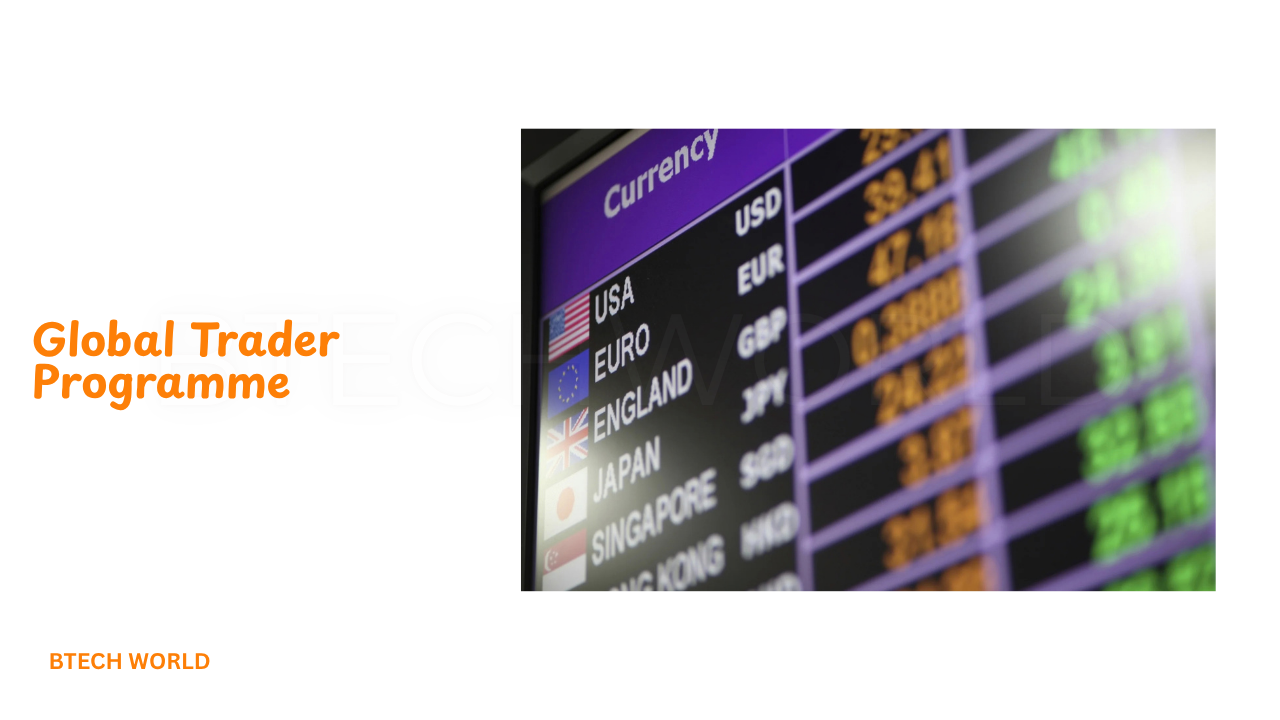
The Global Trader Programme is a Singapore government initiative designed to attract international trading companies and encourage them to establish substantial business operations in Singapore. Managed by Enterprise Singapore, the programme offers eligible global trading companies access to concessionary corporate tax rates on qualifying income. It aims to strengthen Singapore’s position as a leading international trading hub.
For companies involved in commodities, energy, metals, agricultural products, and other qualifying trading activities, the programme may offer valuable financial and operational advantages. However, not every business automatically qualifies. Companies must demonstrate meaningful trading activities, skilled employment, and a genuine commitment to operating in Singapore. Understanding the programme’s benefits, eligibility requirements, and approval process can help businesses decide whether it suits their expansion plans.
What Is the Global Trader Programme?
The Global Trader Programme, commonly known as the GTP, is a tax incentive scheme for qualifying international trading companies. It encourages businesses to conduct substantial global trading operations through Singapore rather than using the country only for registration or administrative purposes.
Under the programme, approved companies may receive a concessionary tax rate on specified qualifying income. The applicable rate depends on the approval granted and the relevant rules. The incentive is designed to attract international trading activities, strengthen Singapore’s trading ecosystem, and create demand for professional services such as banking, logistics, risk management, and trade finance.
The GTP is particularly relevant to established businesses that manage international supply chains, trade physical commodities, arrange transactions between buyers and sellers, or carry out other approved activities. It is not a general trading course, an investment account, or a grant available automatically to individual traders.
How Does the Global Trader Programme Work?
Singapore as an International Trading Base
Singapore offers access to international shipping routes, financial institutions, commodity markets, and professional services. These resources make it attractive to businesses that buy and sell goods across multiple countries. Companies can coordinate sourcing, sales, financing, risk management, and logistics from a central location.
The GTP supports this business environment by providing tax incentives to companies that meet its requirements. Approved businesses must conduct the activities covered by their approval and comply with the conditions attached to the incentive. Merely incorporating a company in Singapore does not guarantee acceptance.
The Role of Enterprise Singapore
Enterprise Singapore is the government agency responsible for supporting businesses and promoting Singapore’s international trade ecosystem. It provides information about the GTP and assesses applications under the relevant framework.
Applicants should explain their existing trading operations, future business plans, expected activities in Singapore, and proposed employment. They should also be ready to demonstrate how their operations will contribute to the local trading ecosystem.
Key Benefits of the Global Trader Programme
1. Concessionary Tax Rates
The programme’s main attraction is its preferential tax treatment for approved qualifying income. Under Singapore’s current GTP tax regulations, approved companies may qualify for rates of 5%, 10%, or 15%, depending on their approval and applicable conditions. These rates apply to specified qualifying income, not automatically to every source of company revenue.
This distinction matters when calculating potential savings. A company should not assume that its entire profit will receive the concessionary rate. It needs to determine which activities and income fall within its approval and maintain records that support the tax treatment claimed.
2. Access to a Strong Trading Ecosystem
Singapore has established connections with international banks, shipping companies, logistics providers, commodity brokers, and trade-related service firms. These connections can help businesses coordinate transactions across different markets and manage complicated supply chains.
For international traders, access to these services can support trade financing, transportation, contract management, and commercial risk assessment. The GTP does not guarantee better financing or commercial success, but operating within an established trading hub may create useful opportunities.
3. Support for International Expansion
Businesses operating across several countries often need a reliable base for managing regional or global transactions. Singapore’s connectivity, business infrastructure, and international trade relationships can make it a practical location for coordinating those activities.
Companies may use a Singapore operation to manage supplier relationships, work with international buyers, and oversee trading activities across multiple markets. The programme can be particularly relevant when the business plans to develop substantive operations rather than maintain only a nominal presence.
4. Opportunities to Build Skilled Teams
The GTP encourages participating companies to commit to meaningful business activity and employment in Singapore. Depending on the company’s operations, relevant roles may include trading, financial analysis, compliance, logistics, risk management, and strategic planning.
Building a skilled local team can improve the company’s ability to coordinate transactions and manage commercial risks. Businesses should factor recruitment, compensation, training, and ongoing operational costs into their plans before deciding whether to pursue the incentive.
Who Is Eligible for the Global Trader Programme?
The GTP is intended for established companies involved in international trading that want to develop substantial operations in Singapore. Eligibility depends on the applicant’s business model, trading activities, commercial track record, and proposed contribution to Singapore’s economy.
Companies should generally be prepared to demonstrate the following:
- Established trading operations: Evidence of real international trading activity and a credible business history.
- International networks: Relationships with overseas suppliers, buyers, distributors, or other relevant trading partners.
- Substantial Singapore activities: A realistic commitment to conducting meaningful business functions in Singapore.
- Skilled employment: Plans to employ professionals who can support trading and related business operations.
- Strategic functions: Relevant activities such as management, compliance, financial planning, logistics, or risk management.
- Use of local services: Meaningful engagement with Singapore’s banking, financial, logistics, and other relevant professional services.
These are important areas to prepare for, but they should not be treated as a complete or guaranteed checklist for approval. Enterprise Singapore assesses applications under the programme’s applicable requirements, and additional conditions may apply to individual cases.
Which Trading Activities May Qualify?
The GTP covers specified trading-related income and activities, subject to the company’s approval. Depending on the applicable regulations and approval terms, qualifying income may include profits from physical commodity trading, trading in derivative instruments, and commissions or fees earned from brokering specified physical trades.
Certain approved structured commodity financing and other prescribed activities may also fall within the relevant framework. The precise scope depends on the current rules, the activities approved for the company, and the conditions attached to its incentive.
Businesses should therefore identify their revenue sources before applying. A company that trades physical commodities, for example, should distinguish that activity from unrelated consulting, software sales, or other business income. Proper classification helps the company understand which income may receive preferential treatment and which income remains subject to ordinary tax rules.
Understanding the Programme’s Tax Rates
The applicable GTP rate is determined through the approval process. The current regulations provide for concessionary rates of 5%, 10%, and 15% for qualifying income, subject to the relevant conditions and provisions. Companies should confirm the rate that applies to their specific approval rather than assume that every applicant receives the lowest rate.
| Tax rate | What it means |
|---|---|
| 5% | Applies to qualifying income when the company has approval for this rate and satisfies the relevant conditions. |
| 10% | Applies to qualifying income for companies approved at this rate. |
| 15% | Applies to qualifying income for companies approved at this rate. |
The incentive is not an automatic reduction in a company’s overall tax bill. The actual benefit depends on the amount of qualifying income, the approved rate, eligible activities, operating expenses, and compliance with the programme’s conditions.
Companies should obtain professional tax advice before preparing financial forecasts around the GTP. A qualified adviser can help assess the potential savings and distinguish qualifying income from income taxed under the ordinary rules.
How to Prepare for a GTP Application
Review Your Existing Trading Business
Start by documenting the company’s trading history, major markets, key products, transaction volumes, and commercial relationships. Prepare a clear explanation of how the company earns revenue and how its international operations function.
This review can help identify gaps in the business case. Companies should also consider whether their proposed Singapore activities are substantial enough to support an application. A plan based mainly on registering an entity without meaningful operations may not meet the programme’s objectives.
Develop a Singapore Business Plan
A strong business plan should explain why Singapore is the appropriate location for the proposed operations. It should cover expected trading activities, target markets, operational responsibilities, recruitment plans, and the use of local financial and professional services.
Financial projections should be realistic and consistent with the company’s existing business. Include expected operating costs and explain how the Singapore operation will contribute to the wider trading group. Avoid making commitments that the business cannot reasonably fulfil.
Organise Supporting Records
Applicants should prepare relevant company information and evidence of their trading operations. Depending on the circumstances, this may include corporate records, financial statements, business forecasts, details of major customers and suppliers, staffing plans, and descriptions of proposed Singapore activities.
The precise documentation required can vary. Applicants should confirm the current requirements with Enterprise Singapore and seek clarification before submitting information that may be incomplete or inconsistent.
What Happens After Approval?
Approval should be treated as the beginning of an ongoing compliance responsibility, not the end of the process. The company must carry out the activities covered by its approval and satisfy the applicable conditions throughout the incentive period.
Businesses should maintain accurate records of transactions, qualifying income, relevant expenses, employee roles, and activities conducted in Singapore. Clear documentation can help support tax reporting and demonstrate that the company continues to meet its obligations.
Companies should also monitor the duration of their approval and any renewal requirements. Under the relevant regulations, approval periods are limited, and extensions are subject to the applicable rules. Changes to business operations, trading activities, or corporate structure may also require careful review.
Common Challenges Businesses Should Consider
Although the GTP can offer attractive tax treatment, it is not suitable for every international business. Establishing and maintaining substantial operations in Singapore can involve recruitment, office, professional service, technology, and compliance costs. These expenses should be compared with the potential tax savings.
Another challenge is distinguishing qualifying income from other company earnings. Businesses with several revenue streams may need clear accounting systems and specialist tax support to apply the correct treatment.
Finally, approval is not guaranteed. Companies should avoid building expansion plans around an assumed incentive before receiving formal confirmation. They should evaluate Singapore’s wider commercial advantages alongside the programme’s specific requirements and consider professional advice when comparing locations.
Is the Global Trader Programme Worth Considering?
The GTP may be worth exploring for established trading companies that want to develop a genuine international business base in Singapore. Its concessionary tax rates can be valuable when a company has substantial qualifying income and can meet the programme’s operational commitments.
However, the decision should involve more than comparing tax percentages. Companies need to consider their trading model, expected profits, staffing requirements, compliance costs, and long-term regional strategy. A detailed financial assessment can help determine whether the incentive offers a meaningful advantage after all operating expenses are considered.
Businesses that are still at an early stage or lack established international trading activity should first confirm whether they fit the programme’s intended profile. Reviewing the official requirements before investing in a new structure can save time and reduce uncertainty.
Conclusion
The Global Trader Programme is a Singapore tax incentive designed to attract international trading companies that are willing to establish substantial business activities and employment in the country. Its key attraction is concessionary tax treatment on approved qualifying income, alongside the commercial advantages of Singapore’s established trading ecosystem.
Eligibility depends on the company’s trading operations, business plans, local activities, and the conditions set by the authorities. Businesses should review the latest official requirements, prepare reliable supporting information, and obtain professional tax advice before making decisions based on the incentive. With careful planning, qualifying companies can assess whether the GTP supports their wider international growth strategy.
Frequently Asked Questions
1. What is the Global Trader Programme?
The Global Trader Programme is a Singapore government tax incentive for qualifying international trading companies. It aims to attract substantial trading operations and skilled employment to Singapore.
2. What tax rates are available under the GTP?
The current regulations provide concessionary rates of 5%, 10%, and 15% for qualifying income, depending on the company’s approval and the applicable conditions.
3. Can any company apply for the Global Trader Programme?
No. The programme is intended for international trading companies that can demonstrate established business activity and a commitment to meaningful operations in Singapore. Approval is not automatic.
4. Which activities may qualify for the GTP?
Depending on the approval and applicable rules, qualifying income may include physical commodity trading profits, certain derivative trading profits, brokerage commissions, and specified related activities.
5. Where can businesses find official GTP information?
Businesses should consult Enterprise Singapore’s official trade resources and the relevant Singapore tax regulations. Professional tax advice can also help determine eligibility and the potential financial impact.
Explore More: BTECH WORLD