CES 2026: Latest Technology, Innovations, and Biggest Announcements

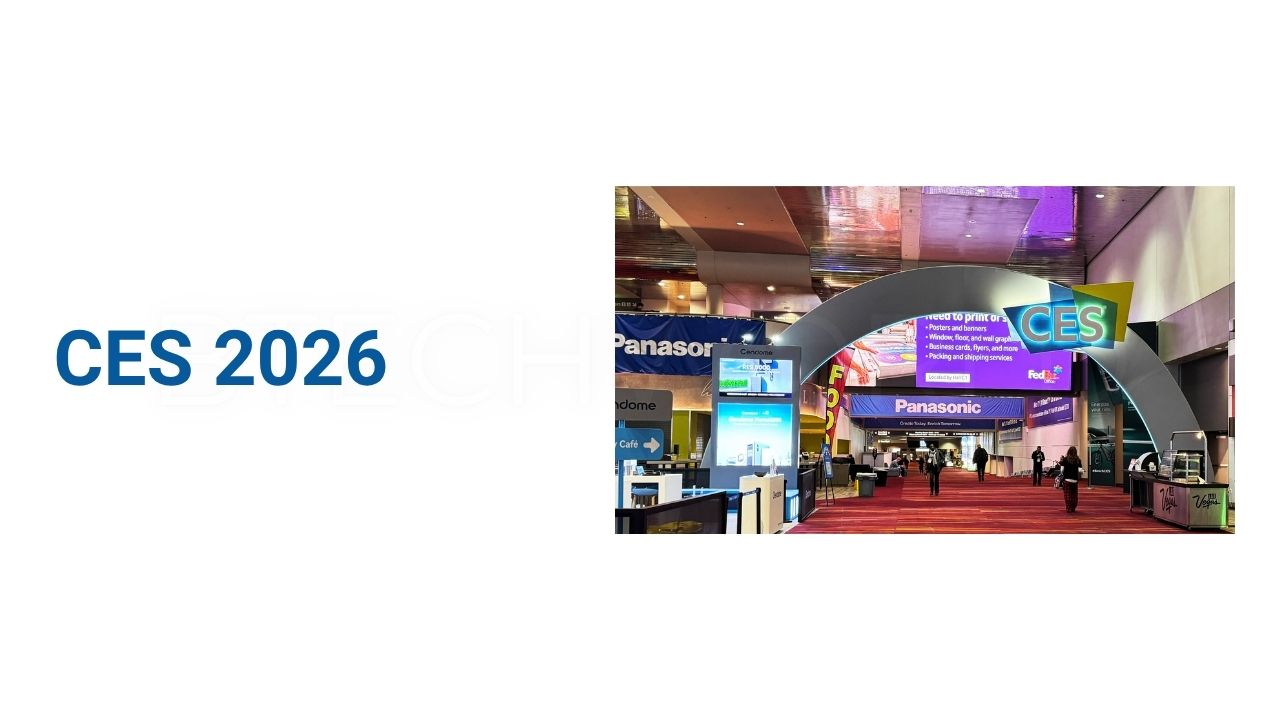
CES 2026 brought the technology industry together in Las Vegas from January 6 to January 9, 2026. The event showcased more than 4,100 exhibitors across AI, robotics, mobility, digital health, entertainment, energy, computing, and smart devices. According to the Consumer Technology Association, more than 148,000 people attended the event, making it the largest CES since the pandemic.
Artificial intelligence was again central to the show, but CES 2026 had a noticeable shift toward physical AI. Companies demonstrated robots, autonomous vehicles, industrial systems, AI-powered wearables, and intelligent machines designed to interact with the real world. At the same time, new processors, televisions, smart-home products, gaming hardware, and connected cars showed that traditional consumer technology remains a major part of CES.
What Made CES 2026 Different?
CES 2026 focused heavily on practical applications rather than AI concepts alone. The event highlighted digital twins, agentic AI, industrial AI, and physical AI. Robotics became one of the most visible themes, with humanoid machines and autonomous systems appearing throughout the show floor.
This shift matters because companies are increasingly trying to move AI beyond chatbots and software. They are building systems that can understand environments, make decisions, and perform physical tasks. That direction appeared across manufacturing, transportation, construction, agriculture, healthcare, and consumer products.
AI Became More Physical
AI was arguably the biggest technology theme at CES 2026. NVIDIA, AMD, Samsung, LG, Lenovo, and many other companies showed how AI is becoming part of everyday hardware.
NVIDIA presented its next-generation Rubin architecture and continued its work on AI for autonomous vehicles. The company also introduced its Alpamayo family of open-source AI models and tools for autonomous driving.
AMD also used CES to highlight its Ryzen AI 400 Series processors and partnerships around AI-powered personal computers. The focus was not simply on faster chips. Companies increasingly want PCs to run AI workloads locally and support new AI-based applications.
Physical AI Takes Center Stage
Physical AI was one of the clearest trends at the event. Instead of existing only inside apps and cloud services, AI is being connected to machines.
Robots demonstrated this idea particularly well. CES showcased humanoid robots, home robots, industrial machines, and autonomous systems. These products aim to combine perception, reasoning, and movement to complete tasks in physical environments.
Robotics and Humanoid Machines
Robotics received enormous attention at CES 2026. Humanoid robots were among the most visible attractions, while companies also demonstrated specialized machines for homes, factories, logistics, healthcare, and agriculture.
Hyundai’s robotics activities included work involving Boston Dynamics’ Atlas robots. Hyundai and Google DeepMind announced collaboration focused on applying advanced AI research to Atlas and future humanoid robotics.
The broader trend suggests that robots are moving beyond single-purpose automation. Companies are exploring machines that can adapt to different environments and cooperate with people.
NVIDIA Pushes AI Into Vehicles
Automotive technology was another major CES 2026 category. NVIDIA continued expanding its role in autonomous driving, while automakers and technology companies presented new approaches to connected and intelligent transportation.
NVIDIA’s Alpamayo platform is designed to support autonomous vehicle development using AI models and tools. The company also highlighted its broader physical-AI strategy, connecting AI computing with machines that operate in the real world.
CES also highlighted robotaxis, autonomous shuttles, connected vehicles, and advanced driver technologies. The event showed that the modern car is increasingly being treated as a software-driven computing platform.
Smart TVs and Home Entertainment
Televisions remained one of the biggest consumer categories at CES. Manufacturers continued competing through larger screens, improved picture quality, AI features, and new display technologies.
Samsung showcased a 130-inch Micro RGB television, while Amazon introduced its Ember Artline TV concept. These products demonstrate how television manufacturers are combining premium displays with smarter software and connected entertainment features.
The TV market is also moving toward more personalized experiences. AI can help with content discovery, picture optimization, voice interaction, and integration with other smart-home products.
Smart Home Technology
CES 2026 showed that smart-home technology is becoming more intelligent and automated. New products included smart locks, connected refrigerators, lighting systems, home-management tools, and AI-enabled appliances.
Samsung presented voice-controlled Family Hub refrigerators, while GE demonstrated an AI-powered refrigerator designed to help with food management and shopping lists. Aqara also introduced the U400 smart lock with ultra-wideband technology.
These products reflect a broader change. Smart homes are moving from simple remote controls toward systems that can understand routines and assist with everyday tasks.
Next-Generation PCs and Processors
Computing remained a major focus at CES 2026. AMD’s Ryzen AI 400 Series represented the continued push toward AI-capable PCs. Lenovo also demonstrated unusual computing concepts, including a rollable gaming laptop and the Auto Twist AI PC.
The growth of AI PCs could change how consumers use laptops. Instead of relying entirely on cloud services, future computers can perform more AI workloads locally. This may improve responsiveness and could offer advantages for privacy, offline functionality, and specialized applications.
Wearables and Smart Glasses
Wearables continued expanding beyond traditional fitness trackers and smartwatches. CES 2026 featured smart glasses, smart rings, health devices, and AI-powered accessories.
The Consumer Technology Association highlighted generative-AI voice interfaces, real-time translation, recording, and other hands-free features among the smart-glasses developments shown at CES.
This category is important because wearable devices can provide information without requiring users to constantly look at a phone. AI makes these products more useful by enabling voice-based interaction and context-aware features.
Digital Health and Wellness Technology
Health technology was another important part of CES 2026. The event featured products designed around accessibility, healthcare monitoring, longevity, fitness, and personal wellness.
The show also included technology for women’s health and AI-powered health solutions. CES organizers identified digital health as one of the major areas where technology was being developed to address real-world challenges.
These developments show how consumer technology is becoming more closely connected with personal health management.
Industrial AI and Digital Twins
CES 2026 was not limited to consumer gadgets. Industrial technology played a major role as well.
Siemens and NVIDIA announced plans for an Industrial AI Operating System aimed at helping companies design, engineer, and operate physical systems. Siemens also introduced its Digital Twin Composer, which was scheduled for launch through the Siemens Xcelerator Marketplace.
Digital twins can create virtual representations of physical systems. Businesses can use them to simulate operations, test changes, and identify potential problems before making physical modifications.
Gaming Technology Gets Smarter
Gaming hardware also received attention at CES. New controllers, displays, laptops, and accessories focused on responsiveness and immersive experiences.
Lenovo’s rollable gaming laptop concept showed how manufacturers are experimenting with new display formats. Razer also demonstrated gaming products with AI-related features and low-latency connectivity.
Gaming technology continues to overlap with general computing. High-performance displays, graphics processors, AI acceleration, and fast wireless connectivity are becoming useful beyond gaming.
CES 2026 Biggest Technology Trends
| Technology | Major CES 2026 Trend | Potential Impact |
|---|---|---|
| Artificial Intelligence | Physical and agentic AI | Smarter machines and software |
| Robotics | Humanoid and autonomous robots | Automation in homes and industries |
| Automotive | AI-powered mobility | More intelligent transportation |
| PCs | AI processors and AI PCs | More local AI computing |
| TVs | Micro RGB and AI features | Better entertainment experiences |
| Smart Home | Intelligent appliances and locks | More automated homes |
| Wearables | AI glasses and health devices | Hands-free computing |
| Digital Health | AI-assisted monitoring | More personalized wellness tools |
| Industrial Tech | Digital twins and industrial AI | Better planning and efficiency |
| Gaming | New displays and accessories | More immersive gameplay |
What CES 2026 Means for the Future
The biggest lesson from CES 2026 is that AI is becoming embedded into physical products. The industry is moving from AI that simply answers questions toward AI that can interact with environments, control machines, analyze real-world information, and assist people with practical tasks.
Robotics, autonomous vehicles, AI PCs, smart-home products, and wearables all reflect this direction. The technology is still developing, and many CES concepts will take time to reach mainstream consumers. However, the event showed that companies are investing heavily in making intelligent technology more useful outside traditional software.
Conclusion
CES 2026 demonstrated how quickly technology is moving toward intelligent, connected, and physical experiences. AI remained the central theme, but robotics, autonomous vehicles, AI PCs, smart homes, advanced displays, health technology, and digital twins gave the event a much broader identity.
With more than 4,100 exhibitors and over 148,000 attendees, CES 2026 showed that the next phase of consumer technology is not limited to better screens or faster processors. The bigger opportunity lies in creating machines and devices that can understand users, respond intelligently, and work alongside people.
FAQs
What was the main technology trend at CES 2026?
AI was the dominant trend, with physical AI and robotics receiving particularly strong attention. Companies demonstrated AI applications across computers, vehicles, industrial equipment, healthcare, and consumer devices.
When was CES 2026 held?
CES 2026 took place from January 6 through January 9, 2026, in Las Vegas, Nevada.
What were the biggest CES 2026 announcements?
Major announcements included NVIDIA’s Rubin architecture and Alpamayo autonomous-driving work, AMD’s Ryzen AI 400 Series, industrial AI developments from Siemens and NVIDIA, new robotics partnerships, and numerous smart-home and consumer-electronics products.
Did CES 2026 focus only on consumer gadgets?
No. CES 2026 covered industrial AI, mobility, digital health, energy, robotics, enterprise technology, accessibility, and other professional applications alongside consumer products.
Why was robotics important at CES 2026?
Robotics demonstrated the growing connection between AI software and physical machines. Humanoid robots, autonomous systems, and specialized machines showed how AI could support work in homes, factories, transportation, healthcare, and other environments.
Explore More: BTECH WORLD