
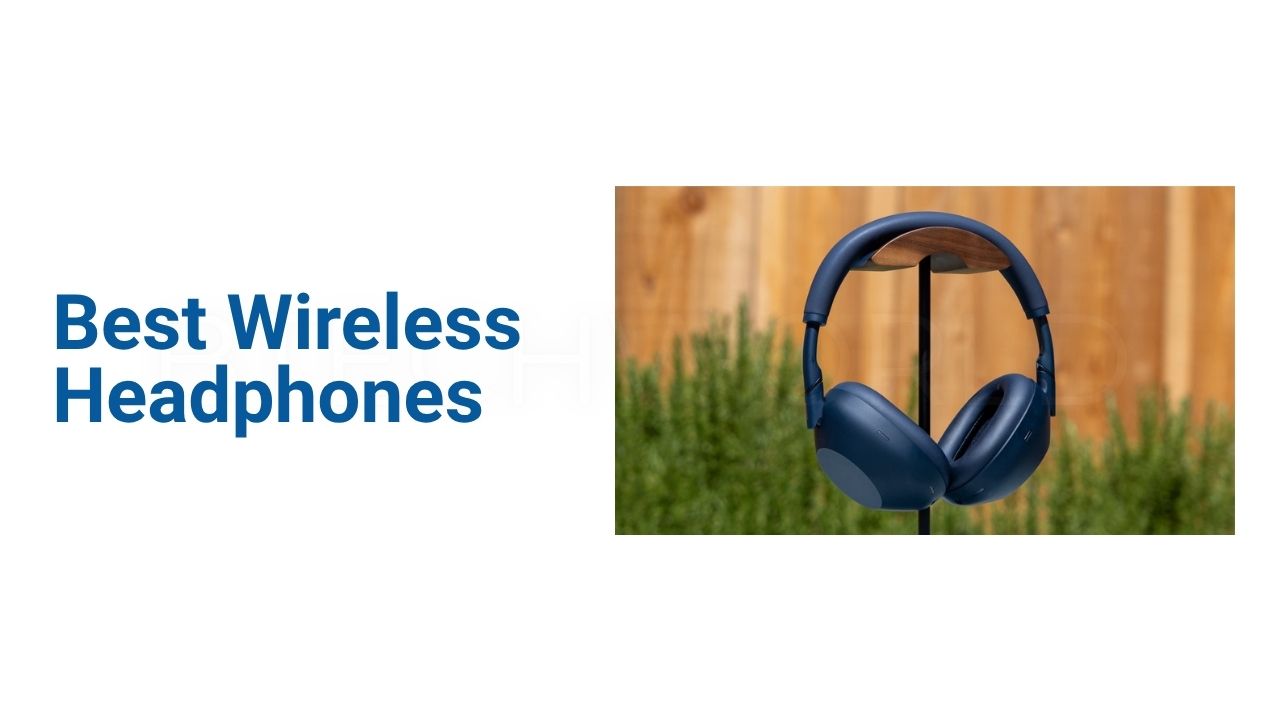
Best Wireless Headphones: Top Features, Sound Quality, and Buying Guide

Finding the best wireless headphones is not only about choosing the most expensive model. Good headphones should deliver clear sound, comfortable fit, reliable wireless connectivity, strong battery life, and useful features. Noise cancellation has also become an important part of the modern headphone experience, especially for travelers, commuters, and people who work in busy environments.
Current wireless headphone options range from affordable everyday models to premium headphones from Sony, Bose, Apple, Sennheiser, and other major audio brands. Recent expert testing continues to highlight models such as the Sony WH-1000XM6, Bose QuietComfort Ultra Headphones (2nd Gen), and premium Bowers & Wilkins options for different priorities.
What Makes the Best Wireless Headphones?
The best wireless headphones combine several important features instead of focusing on one specification. Sound quality matters, but comfort can become just as important during long listening sessions.
Battery life, Bluetooth stability, microphone quality, controls, app support, and active noise cancellation can also affect the overall experience. The right choice depends on how you plan to use the headphones.
A frequent traveler may prioritize strong ANC and long battery life. Someone who mainly listens at home may care more about sound quality and comfort. Office users may need excellent microphones and multipoint connectivity.
Sound Quality Should Come First
Sound quality is one of the first things to consider when choosing wireless headphones. A good pair should provide a balanced presentation with clear vocals, controlled bass, and detailed high frequencies.
However, there is no single sound profile that works for everyone. Some listeners prefer powerful bass for hip-hop and electronic music. Others want a neutral presentation that works well with vocals, classical recordings, and podcasts.
Premium wireless headphones often provide equalizer controls through their companion apps. This allows users to adjust the sound according to their preferences.
Bass, Vocals, and Detail
Strong bass can make movies and music feel more energetic, but excessive bass can hide vocals and other details. Balanced headphones usually provide a better experience across different types of content.
Vocals should sound natural and remain easy to understand. Instruments should also maintain separation instead of blending into a crowded soundstage.
For everyday listening, a balanced sound signature is usually a safe choice.
Active Noise Cancellation
Active Noise Cancellation, commonly called ANC, uses microphones and processing technology to reduce unwanted external noise. It can be particularly useful on airplanes, trains, buses, and busy streets.
Sony’s WH-1000XM6 includes adaptive noise-cancellation features and an ambient sound mode. Sony also lists support for LDAC, LC3, multipoint connectivity, and up to 30 hours of continuous music playback with noise cancellation enabled.
Bose has also focused heavily on ANC. The QuietComfort Ultra Headphones (2nd Gen) use an updated adaptive noise-cancellation system and offer Immersive Audio features. Bose rates battery life at up to 30 hours with ANC and Immersive Audio turned off.
Comfort and Build Quality
A headphone can sound excellent and still be frustrating if it becomes uncomfortable after an hour. Comfort depends on ear-pad material, clamping force, weight, headband design, and overall shape.
Over-ear headphones generally provide more space around the ears than on-ear designs. Soft cushions can improve comfort during long sessions, although they may become warm during extended use.
Build quality also matters. Premium headphones often combine plastic with metal components to balance durability and weight. A folding design and carrying case can make travel easier.
Battery Life Matters
Battery life determines how frequently you need to charge your headphones. Most modern wireless over-ear headphones provide enough power for multiple days of normal listening.
For example, Sony rates the WH-1000XM6 at up to 30 hours with noise cancellation enabled and up to 40 hours with ANC disabled.
Bose’s QuietComfort Ultra Headphones (2nd Gen) provide up to 30 hours under its standard ANC configuration, while Immersive Audio can reduce the rated playback time.
When comparing battery claims, remember that manufacturers use specific testing conditions. Actual results can vary depending on volume, ANC, Bluetooth features, codecs, and other settings.
Wireless Connectivity
Bluetooth is the foundation of wireless headphone performance. A stable connection should remain reliable while you move around a room or carry your phone in a pocket.
Newer headphones can support modern Bluetooth versions and additional codecs. Sony’s WH-1000XM6, for example, supports Bluetooth 5.3 along with SBC, AAC, LDAC, and LC3.
Multipoint connectivity is another useful feature. It allows compatible headphones to remain connected to more than one device, making it easier to switch between a phone and computer.
Microphone and Call Quality
Wireless headphones are increasingly used for meetings, calls, and video conferences. As a result, microphone performance deserves attention.
A good microphone should keep your voice understandable in normal environments. Advanced models use multiple microphones and processing algorithms to reduce surrounding noise.
If you work remotely, check microphone reviews rather than relying only on the manufacturer’s specifications. Real-world voice quality can vary considerably between models.
Spatial Audio and Immersive Sound
Spatial audio creates a wider, more three-dimensional listening experience. It can be useful for movies, compatible music, and gaming.
Apple’s current AirPods Max 2 specifications include Personalized Spatial Audio with dynamic head tracking, Adaptive EQ, Active Noise Cancellation, Transparency mode, and lossless audio through USB-C.
Bose also offers Immersive Audio on its QuietComfort Ultra range. These features can make supported content feel more spacious, although they may affect battery life.
Spatial audio is useful, but it should not replace basic sound quality and comfort when comparing headphones.
Best Wireless Headphones for Different Users
There is no universal winner for every buyer. Different headphones make sense for different priorities.
Best Overall
The Sony WH-1000XM6 is one of the strongest all-around choices in the current wireless headphone market. Recent expert testing has placed it at the top because of its combination of noise cancellation, sound quality, comfort, and smart features.
Its 30-hour ANC battery rating, LDAC support, multipoint connectivity, and adaptive noise-cancellation system make it suitable for travel, work, and everyday listening.
Best for Noise Cancellation
The Bose QuietComfort Ultra Headphones (2nd Gen) are a strong choice for users who put noise cancellation first. Bose upgraded its adaptive ANC system while also adding features such as USB-C lossless audio and Cinema Mode.
The headphones also offer up to 30 hours of battery life under Bose’s standard ANC configuration.
Best for Apple Users
Apple’s AirPods Max line makes the most sense for people already invested in Apple’s ecosystem. Features such as Personalized Spatial Audio, Adaptive EQ, ANC, Transparency mode, and USB-C lossless audio can integrate well with compatible Apple devices.
Users should also consider weight and battery life. The previous USB-C AirPods Max specification lists a 386.2-gram weight and up to 20 hours of listening with ANC enabled.
Wireless Headphones for Travel
Travelers should prioritize ANC, comfort, battery life, and portability. A good travel headphone should reduce aircraft and transportation noise without requiring extremely high listening volume.
A carrying case is another useful feature. Foldable headphones take less space inside luggage and protect the earcups when not in use.
Fast charging can also help. If you forget to charge before a trip, a short charging session can provide several additional hours of listening on some models.
Wireless Headphones for Work
For office and remote-work users, microphone quality and multipoint connectivity can be more important than extreme bass.
Multipoint support lets you connect headphones to a computer and phone simultaneously on compatible devices. You can listen to music on a computer and quickly handle an incoming call without manually reconnecting.
Comfort also matters because office users may wear headphones for several hours each day.
Wireless Headphones for Gaming
Wireless headphones can work well for gaming, but buyers should check platform compatibility and latency before purchasing.
A low-latency connection can help synchronize game audio with on-screen action. Some gaming-focused models use dedicated wireless transmitters rather than standard Bluetooth.
For casual gaming, regular Bluetooth headphones can be sufficient. Competitive players may benefit more from a purpose-built wireless gaming headset.
What to Check Before Buying
Before choosing a pair, compare these specifications:
| Feature | Why It Matters |
|---|---|
| Sound Quality | Determines how music, movies, and games sound |
| ANC | Reduces unwanted background noise |
| Battery Life | Determines charging frequency |
| Comfort | Important for long listening sessions |
| Bluetooth | Affects wireless connection and compatibility |
| Codec Support | Can influence wireless audio quality |
| Microphones | Important for calls and meetings |
| Multipoint | Makes switching between devices easier |
| App Support | Provides EQ and additional controls |
| Weight | Affects long-term wearing comfort |
| Wired Mode | Useful when wireless battery is depleted |
| Price | Helps match features with your budget |
How Much Should You Spend?
The best wireless headphones do not always require a premium budget. Affordable models can provide good sound and basic wireless features, while mid-range products often add stronger ANC, better microphones, and improved battery life.
Premium models usually offer more advanced processing, stronger noise cancellation, better materials, and additional software features.
The right budget depends on how frequently you use headphones. Someone who wears them every day for work and travel may benefit from spending more on comfort and ANC. Occasional listeners can save money by choosing a simpler model.
Final Buying Advice
The best wireless headphones should match your actual listening habits. Start with sound quality and comfort, then consider ANC, battery life, connectivity, microphone performance, and extra features.
Sony’s WH-1000XM6 is a strong all-rounder, while Bose’s QuietComfort Ultra Headphones (2nd Gen) are especially appealing to users who prioritize noise cancellation. Apple’s AirPods Max line remains an option for people who want deep integration with Apple’s ecosystem.
Before buying, compare current prices, warranty coverage, compatibility, and return policies. A headphone that fits your needs is usually a better purchase than simply choosing the model with the longest feature list.
Conclusion
Wireless headphones have become versatile audio devices for music, calls, travel, work, movies, and gaming. The strongest models combine quality sound with comfortable designs, dependable connections, long battery life, and effective noise cancellation.
There is no single pair that is perfect for everyone. Consider your budget and priorities first. Then compare models based on the features that will actually improve your daily listening experience.
Frequently Asked Questions
What are the best wireless headphones for most people?
The Sony WH-1000XM6 is currently one of the strongest all-around options, combining strong ANC, sound quality, battery life, and useful connectivity features.
Are wireless headphones good for music?
Yes. Modern wireless headphones can provide excellent sound quality, and some support advanced codecs and lossless wired listening.
How important is noise cancellation?
ANC is particularly useful for travel, commuting, offices, and other noisy environments. It is less important if you mainly listen in quiet rooms.
How long should wireless headphones last on one charge?
Battery life varies by model and settings. Premium over-ear headphones commonly offer many hours of listening, with some current models reaching around 30 hours or more with ANC depending on configuration.
Should I buy expensive wireless headphones?
Not necessarily. Premium headphones can offer better ANC, sound, comfort, and features, but the best value depends on your budget and how you use them.
Explore More: BTECH WORLD